On September 1st, when thousands of children and teenagers return to their school desks, for some, this return is especially complex. After long months of evacuation, life in hotels, and uncertainty, the teens in the north are asking for one thing – stability.
This is the generation that experienced COVID-19, and in the past two years also the “Iron Swords” war. Recently, many of them have returned, at least partially, to their towns and to the homes that had stood empty for so long.
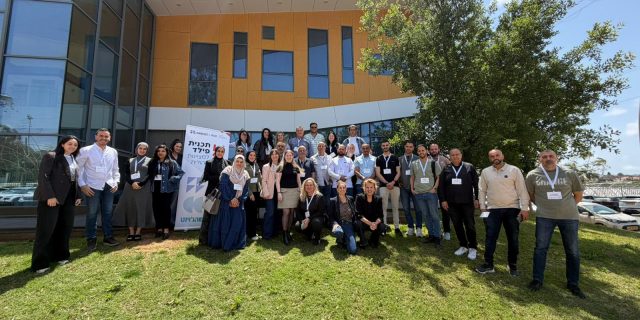
Except for a few who stayed in the communities, once cohesive groups were forced to scatter, and the teenagers – who were used to stable social and educational frameworks – suddenly found themselves without a community. Joint-Ashalim, in collaboration with Basecamp and together with the local municipalities, are leading the “Restoring” program, which works to provide them with an anchor: a steady framework, a safe space, and above all – an educational, community-based, and supportive environment.
The program is carried out in partnership with the Ministry of Education – Division for Society and Youth, the Ministry of Welfare and Social Affairs, the Community Centers Company, and the Homeward Foundation.
A Life of Evacuation and Loneliness
Uri Alfa, 17, from Kibbutz Bar’am, now entering 12th grade, remembers well the morning of October 8th when he and his family were forced to leave home. “Nobody understood exactly what was happening, and there was fear that something might start in the north too.” The Bar’am community gathered in a hotel in Tiberias. “At first it was even a little exciting – all of us in one hotel with our friends,” Uri recalls.
For seven months, kibbutz members lived together in the same hotel, but the close-knit community was eventually forced to disperse. “After a few months you could really feel the loneliness. Everyone went off in different directions, and I saw my friends only once every few weeks.”
Kibbutz Bar’am is located in the Naftali Mountains, just about 300 meters from the Lebanese border. It is one of the last communal kibbutzim in Israel – with community and togetherness at the heart of its identity.
Last March, nearly a year and a half after October 7th, 2023, Uri and many from the community returned home. “The return was moving,” he describes. “Mainly because of the community. The house is important, but mostly it’s the people. After a year of shaky schooling and makeshift classrooms, what really strengthened us was being together again.”

A Young Counselor, an Empty Kibbutz, and Lots of Confusion
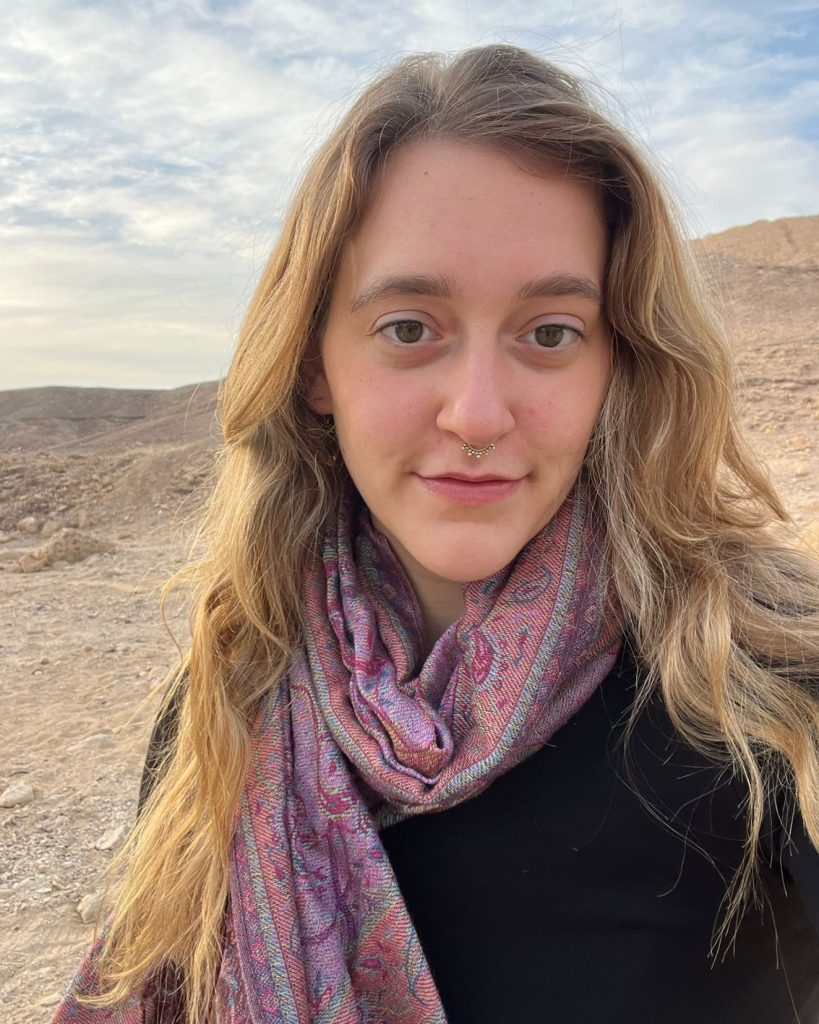
Waiting for Uri and his friends when they came back was Mika Mazor, 22, from Haifa. After her military service, she felt a need to head north. “Everyone was looking south, but I felt that things were happening in the north too. I knew I wanted to be there and help,” she says. She joined a group of agricultural volunteers in the Galilee and the Golan, and after a short trip abroad, she looked for meaningful work. A recruitment ad she stumbled upon on Facebook led her to the “Restoring” program. Operating both in the Gaza border area and in the north, it was clear to Mika that she wanted to return to the Upper Galilee.
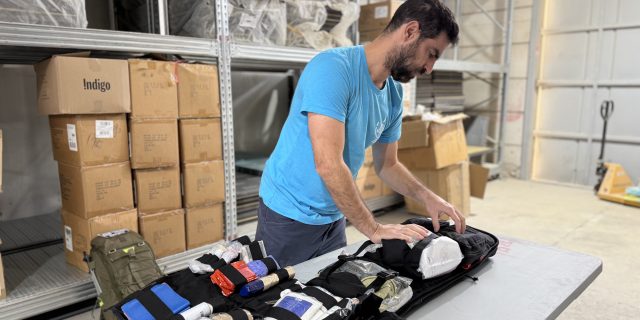
The “Restoring” program aims to create an educational and therapeutic continuum in the northern municipalities by strengthening the education system, rehabilitating and expanding youth services, and reinforcing local support networks. This includes recruiting and training professionals, youth counselors, social workers, and field staff – providing them with tools in trauma awareness, emotional support for youth coping with complex challenges, and building emotional and social resilience to enable their reintegration into the community after prolonged evacuation and crisis.
Mika joined the program’s first training session in December 2024. “We weren’t just taught how to run youth activities, but how to work with a community that had lived a year in hotels, with teens returning to a completely different reality. They explained that our role is to be a stable, permanent presence. Not just a counselor who comes for a one-time activity, but an anchor in an unstable reality.”
More than a Youth Club – A Second Home
“In February, Bar’am was a ghost kibbutz,” Mika describes. “One month later – this past March – you could already feel the community returning. The dining hall filled with kids and adults, the tables were full, the meals were joyful.”
Mika explains that the joyful return is not the end of the story but only its beginning, and that the youth center – such a central institution in the kibbutz – plays a key role in the resilience of young people.
“They came back different, confused,” she says. “For a year and a half, they had no framework – no stable school, no proper home. Some had parents in reserve duty or emergency units, and were left with only one parent. Friendships shifted, groups broke apart. Some returned already ‘grown up,’ but without truly experiencing life in the kibbutz. There was a huge need for someone to bring them together and give direction. This place gives them routine – knowing the youth club is open, knowing there are counselors here. It’s their second home.”
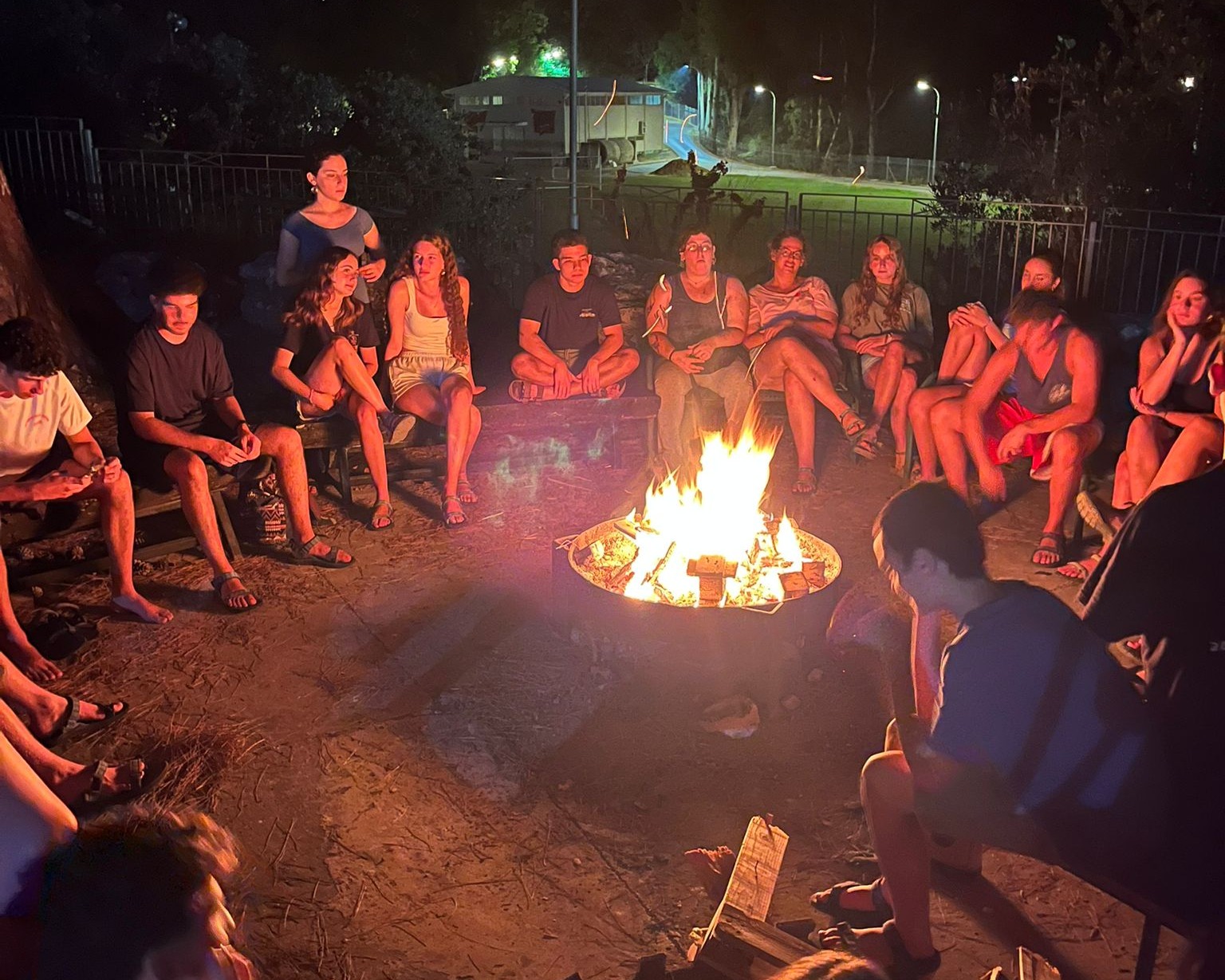
Today, Mika mentors about 60 teenagers, from middle school to 12th grade, together with Yariv Dahan, a member of the kibbutz. The youth club is open almost every day, and during summer vacation a variety of activities and events were held. On school days, Mika waits for the kids each afternoon when they return from school in Kibbutz Sasa. Together, they walk to the dining hall for lunch and then continue to the youth club, which has a kitchen, lounge, and activity rooms. On Fridays, the teens work in kibbutz branches, and afterward, they bake challah together for Shabbat.
Restoring Trust and Routine
The “Restoring” program operates in more than 30 northern communities and trains dozens of counselors and professionals to create an educational and therapeutic continuum for about 2,000 teens. The goal: to provide emotional and social support, strengthen local communities, and build stable long-term frameworks.
In Bar’am, as in other communities, the impact is evident. “They don’t always share in words,” Mika says. “But they always show up. They call in the morning to ask when the club will open, they beg us not to close. That’s the clearest sign they need us. One teen told me recently: ‘Mika, you’re the psychologist of the youth club.’ That was a very moving moment.”
For many, the return to school symbolizes a partial return to normalcy. But for northern teens, it is also a chance to rebuild – social connections, self-confidence, and trust in the community around them.
“What really heals us,” Uri concludes, “is being together. After everything we went through – not the big activities, but simply being together. Sitting, talking, laughing, knowing there’s someone who listens.”