A Comprehensive Response for Families Displaced from Their Homes
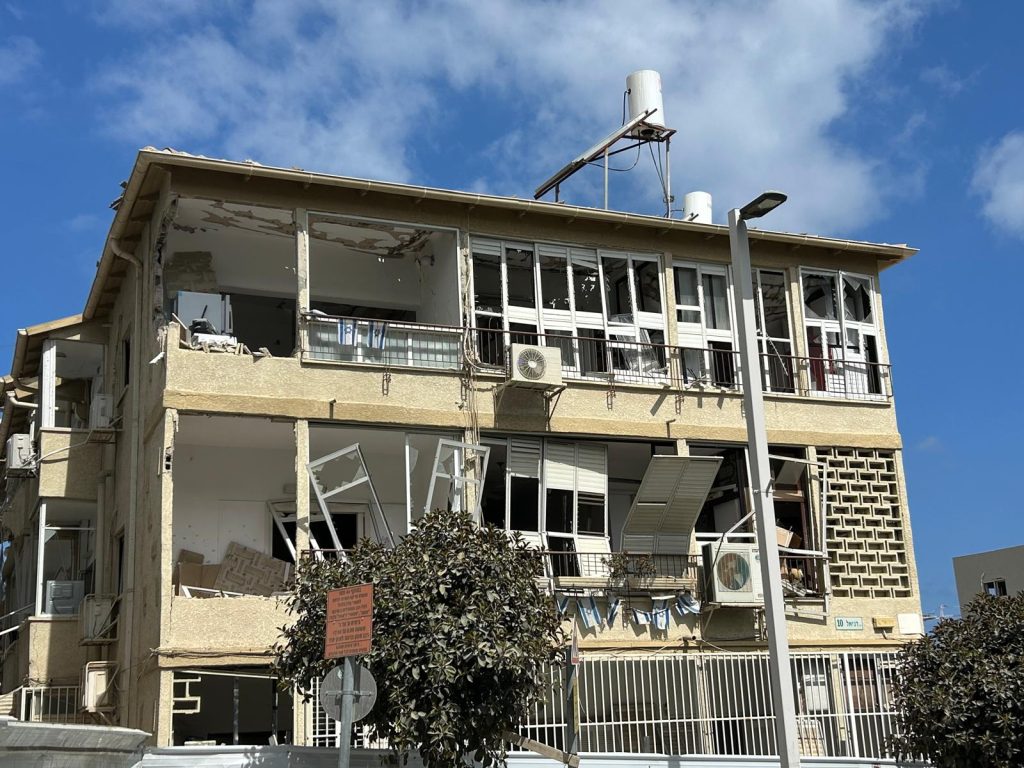
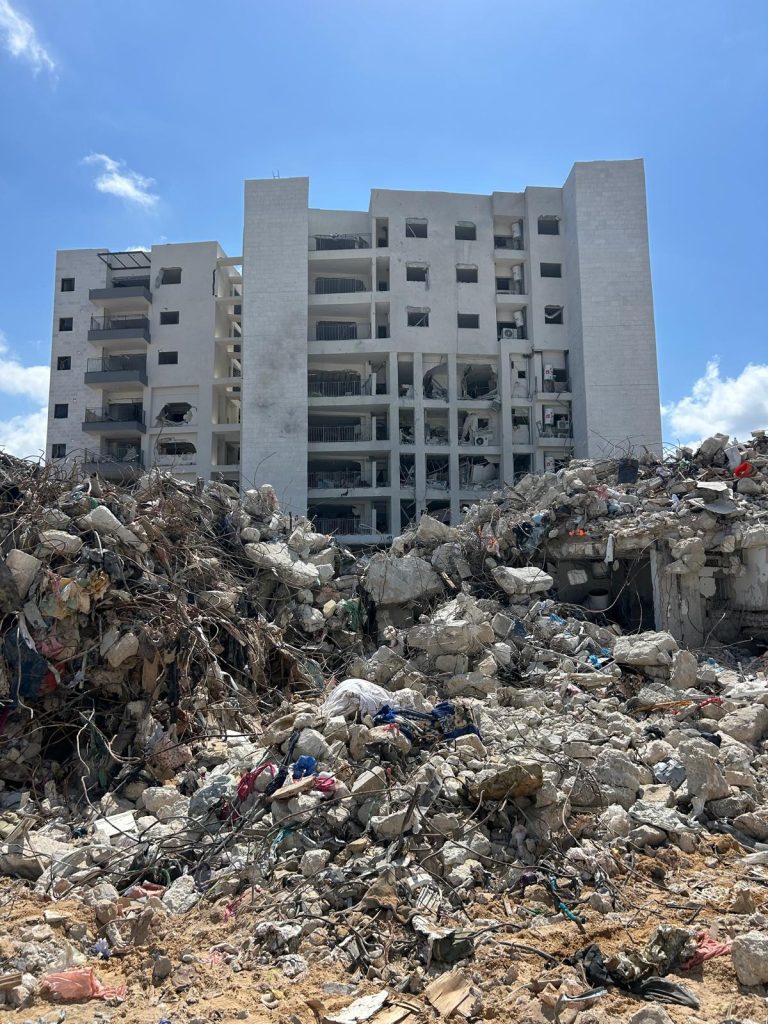
Following the rocket fire and severe damage to homes during Operation “Am Kalavi,” many families were left without a roof over their heads and had to evacuate to hotels, sometimes for an indefinite period of time. The prolonged stay in hotels – originally intended as an emergency solution – created a complex reality: instability, reduced quality of life, emotional and financial hardship, and a heavy burden on local authorities and the state.
The “Ad HaBait” program was developed with the understanding that this is not just a housing solution, but a need for continuous, personal, and sensitive support. Families will receive an assessment of their rights with relevant state agencies, guidance and advice in the housing and renovations market, and the creation of a tailored plan to lead them back to stable living. This process recognizes that finding alternative housing or returning to a damaged home is not a matter of just a few days, but rather a multi-stage journey requiring professional intervention and guidance every step of the way.
Local Partnership and Professional Leadership
The choice of Bat Yam and Ramat Gan was made because these cities are home to particularly vulnerable populations – including elderly people, persons with disabilities, and at-risk families – who suffered significant harm during the operation. The pilot will operate in these two municipalities with the goal of providing targeted, tailored assistance to these populations, ensuring they are not left without appropriate support and guidance.
Two experienced organizations were selected to manage operations on the ground: Streetlight – Social Strategy in Urban Renewal in Ramat Gan, and People – Social Urban Planning in Bat Yam. Each family will be accompanied by a specially trained “housing coordinator” – a professional dedicated to the role.
At present, the program will include 100 households – 50 in each city – and will serve as a model to assess the feasibility of expanding it to additional municipalities in the future. Collaboration with local authorities and relevant government ministries (including the Tax Authority and the National Insurance Institute) is intended to streamline the process of realizing rights, remove bureaucratic barriers, and connect the different types of assistance, so that each family receives the full support they are entitled to – more quickly and efficiently.
Moving into a New Home with Full Support
One of the program’s critical components is finding a personalized housing solution: short- or long-term rental apartments, homes for purchase, or other alternatives based on each family’s abilities and needs. Support for renovations is also included – whether repairing damage from rocket fire, making accessibility adaptations for persons with disabilities, or upgrading the structure to a safe standard for habitation.
Beyond the technical services, families will also receive practical assistance in the final stage – the actual move. The program covers moving services, help with organizing, and basic equipment for the new home.
“We identified the key points where the right assistance can make the greatest impact – to ensure that those affected and in need of ongoing support receive a full package of services, enabling them to emerge from the crisis and move forward,” says Dr. Hadas Minka-Brand, CEO of JDC-Israel. “This is an ongoing process, not a one-time response – and that is why we have chosen to bring all of our experience and capabilities to bear. We are committed to being there until every family finds the housing solution that is right for them.”