In recent years, welfare departments in local authorities across Israel have faced unprecedented challenges. The accumulated workload, burnout, and the ongoing sense of emergency have become an integral part of the daily routine of social workers. In the current security reality, the circles of need continue to expand: alongside populations already known to welfare services during routine times, many residents who had not previously required assistance are now joining the support system, as the war and its consequences have brought them into the circle of need. At the same time, populations already at risk are finding themselves at even greater risk.
Within this reality, the most vulnerable populations—older adults and people with disabilities—are the first to be affected. Confinement to their homes and the social isolation that emerges when day frameworks are reduced or closed dramatically weaken their support networks. For them, loneliness is not only an emotional hardship; it constitutes a real functional and health risk that can lead to rapid deterioration and even endanger lives.
The Response: “Community Supporter” as a Bridge to Resilience
In response to this situation, we reactivated the dedicated emergency program “Community Supporter,” developed by JDC-ESHEL, JDC-Israel Unlimited, and the Ministry of Welfare and Social Affairs.
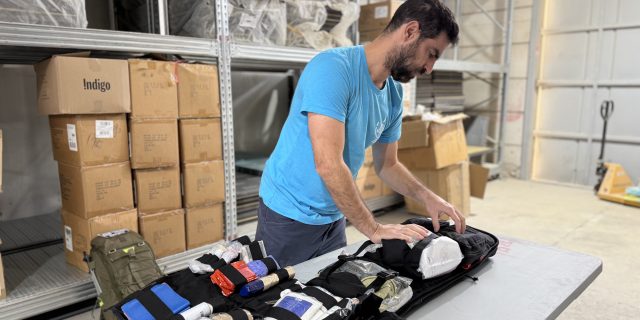
The program serves as an operational arm that complements the work of the municipal social services departments and assists them in caring for people with disabilities and older adults within their jurisdictions. The “Community Supporter” program has already been implemented during previous wars, military operations, and emergency periods such as the COVID-19 pandemic.
In its first phase, the program focuses on a thorough mapping of at-risk populations within the authorities, with an emphasis on older adults and people with disabilities. The goal is to reach every resident, know exactly where they live, and understand their specific needs.
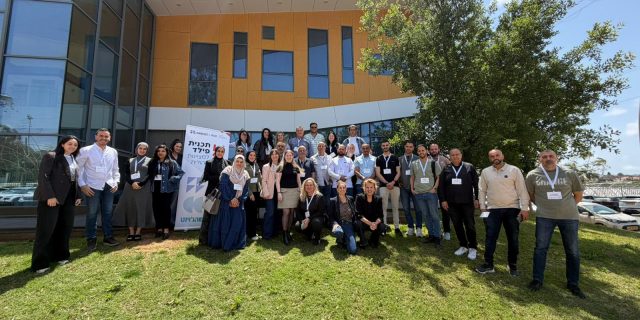
After priorities are determined together with local social workers, the community supporters—who are specially recruited and undergo dedicated training—begin their work.
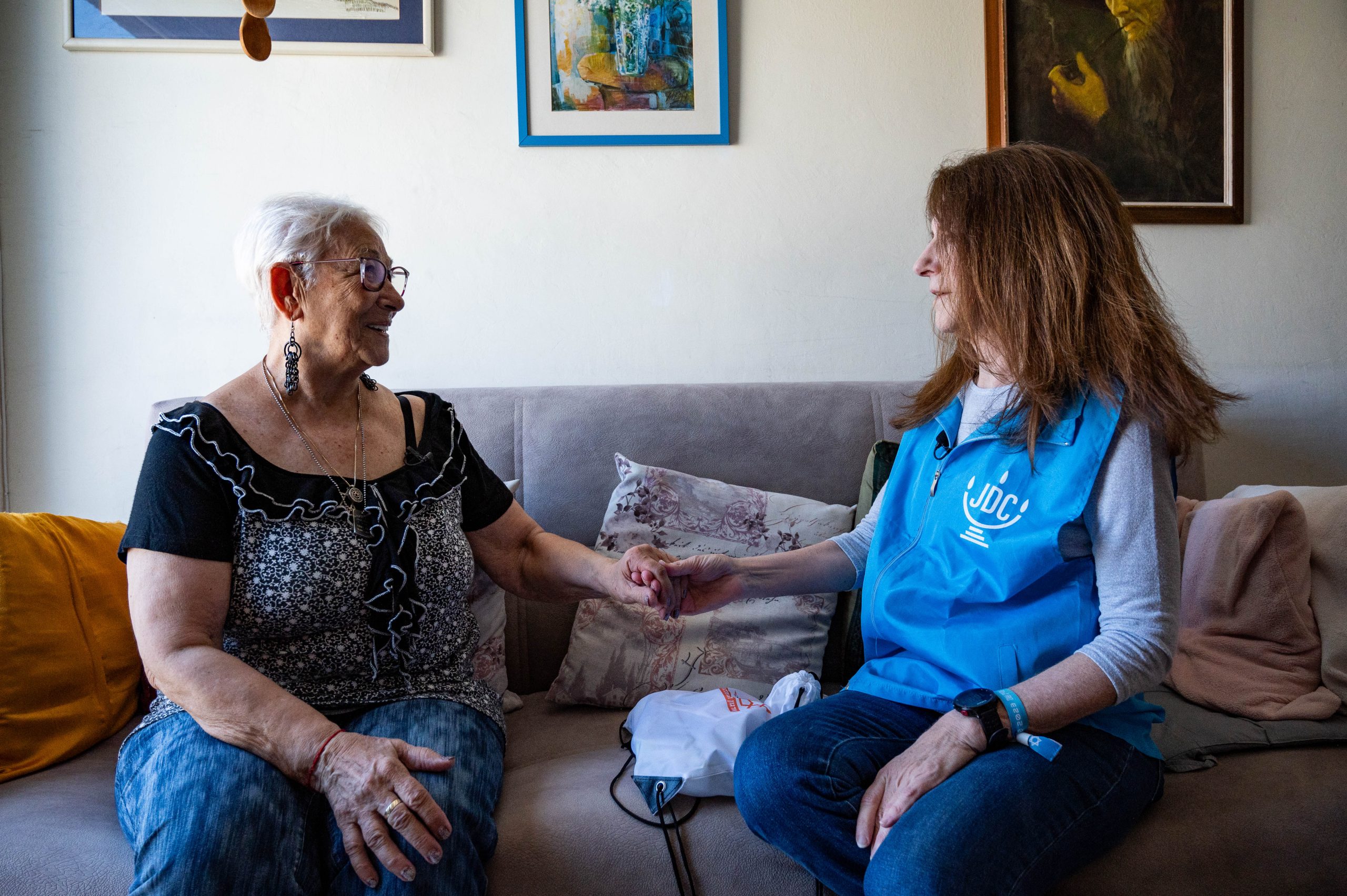
The supporters maintain continuous contact with individuals who are at risk of social disconnection, monitor their well-being, and serve as “sensors in the field” that identify emerging needs in real time. Their ability to recognize the need for early professional intervention is critical for preventing deterioration in residents’ conditions.
Looking Ahead: Recruitment and Expansion
Following the recent events as part of the “Roaring Lion” war, we activated the program and are currently in the midst of recruiting 21 new community supporters, who will be deployed in local authorities across the country—particularly in communities directly affected or in authorities located near the conflict line.
Local authorities are the first and most important address for communities in times of crisis. Our program is designed to provide them with the backing and resources needed to ensure that no person is left alone behind a closed door. Only by strengthening local systems and joining forces between organizations can we build real resilience that will endure even on the day after.