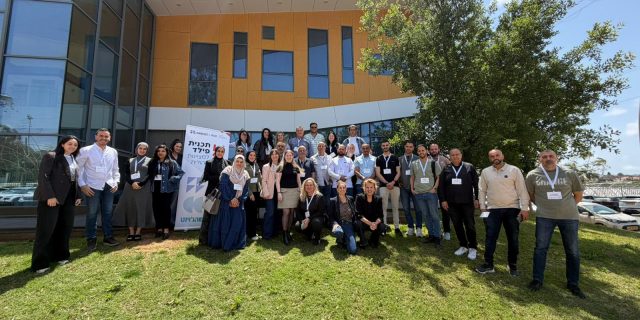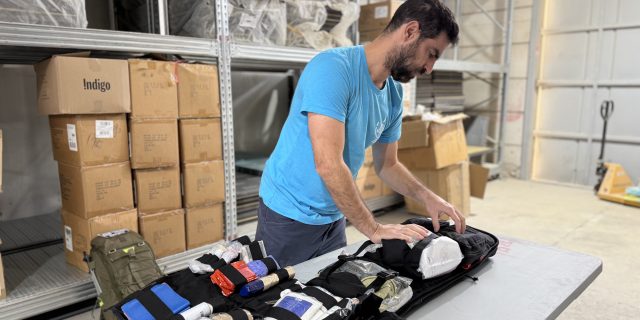

Omer Refaeli, 36, a resident of Kibbutz Gvulot, until recently worked as a psychology and civics teacher, and teaches a class at the “Nofei HaBesor” regional high school – the only high school in the Gaza Envelope where children from the area study. He now defines himself as a “bereaved teacher,” after losing 5 of his students on October 7.
“I was sitting with my three little girls in the reinforced security room, my wife and I with knives in our hands,” he recalls. “And the phone didn’t stop vibrating. Messages from the students – ‘My house is on fire,’ ‘Omer, help me.’ And after that – silence. You’re sitting with little children, and you just want to scream. And you can’t.”
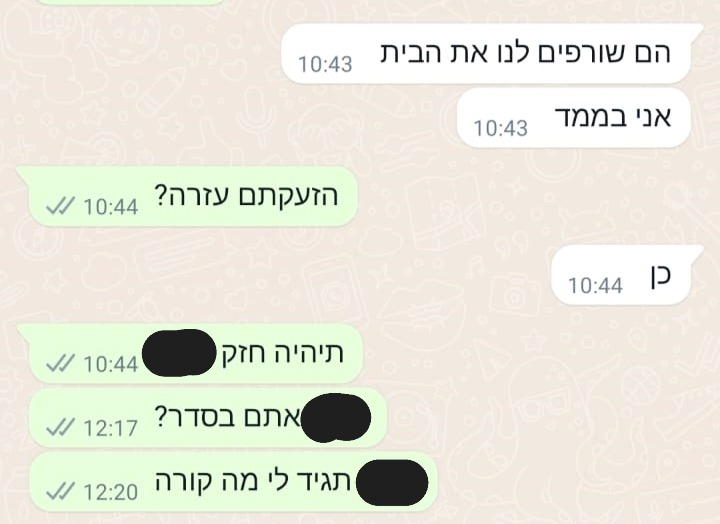
On that Saturday, students he taught and knew well were murdered:
Lior Terschansky, deceased – 17 years old at the time of his death, from Kibbutz Be’ari.
Tahel Bira, deceased – 15 years old at the time of her death, from Kibbutz Be’ari.
Amit Gabay, deceased – 17 years old at the time of his death, from Kibbutz Re’im.
Noya Sharabi, deceased – 16 years old at the time of her death, from Kibbutz Be’ari.
Mor Meir, deceased – 17 years old at the time of her death, from Kibbutz Nirim, who studied in the same grade he taught.
From the Pain – The Way Back Through Movement
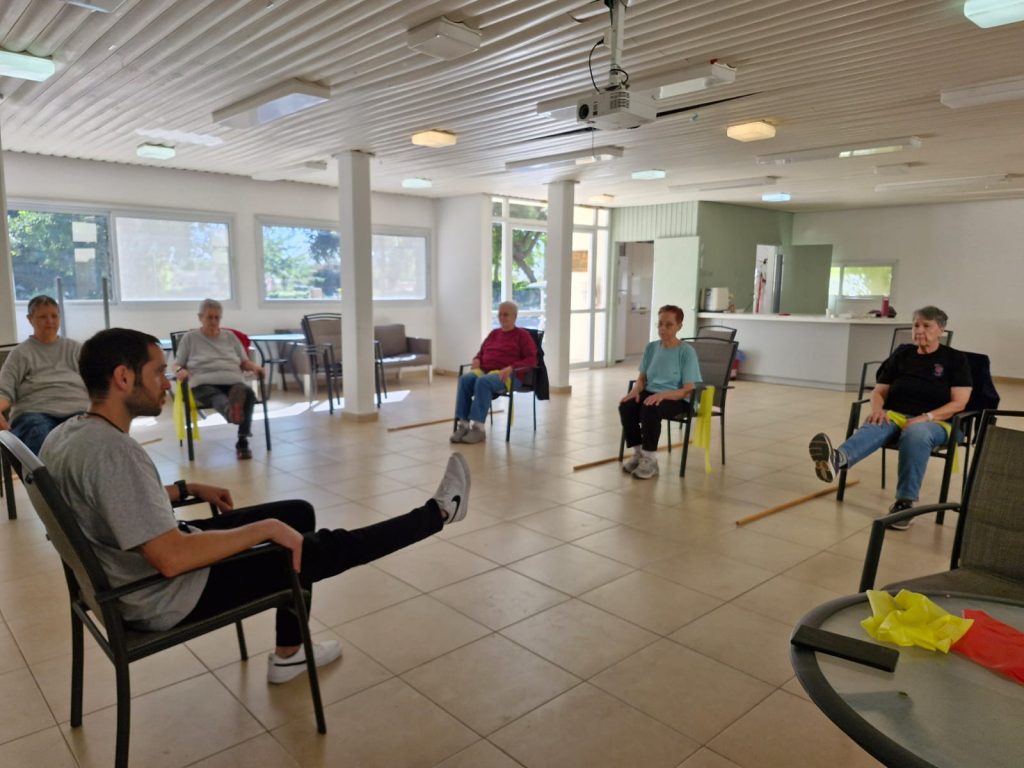
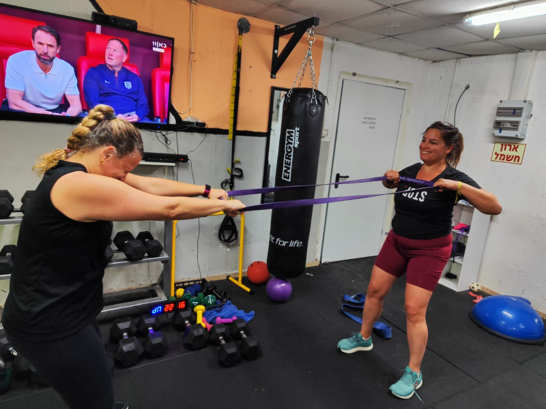
After the Black Sabbath, Omer and his family arrived in Eilat. Long days in the hotel, without a framework, days of chaos. Then, almost by accident, he started training some young people in the lobby with rubber bands and weights. “Physical fitness has always been my safe place.” Omer candidly shares that he is a mental fighter, that physical fitness has always helped him deal with anxiety and post-traumatic stress, “When I started training – suddenly my pulse came back. I saw how it revived not only them – but also me.”
While the school resumed operations for the evacuated students, Omer returned to teaching – but felt he could not stay. “I can’t teach in front of empty chairs,” he says. “I lost my voice. I became a different person.”
Upon returning to Kibbutz Gvulot, Omer did not return to school – he continued to coach. The groups expanded. One shelter became a community center. “I saw a 70-year-old grandmother, a 16-year-old girl, and a stressed-out father in midlife – all training together. Magic was created.”
But Omer’s initiative was not organized and regulated, and he too had to find an employment solution for himself instead of teaching.
Getting Back on Track – When the Right Accompaniment Opens a New Door
Then came the “Back on Track” program of JDC-TEVET and the Ministry of Labor, the Ministry of Health, Natal and the Tkuma Directorate. As part of the program’s activities at the Sderot Youth Center, he met Gili, the coach who, according to Omer, “saved his life,” “I’m not exaggerating when I say – this program and its guidance saved my life. I was on the edge. And she pointed me in the right direction.”
“She was the first person to ask me: ‘What do you really want to do?’ And I didn’t know the answer,” he says. “Slowly she helped me break down what I love, what I’m good at, what’s important to me – and suddenly something new was born.”
Thanks to her guidance, Omer founded the “Yotam” studio on Kibbutz Gvulot, named after the late Yotam Haim, a member of the kibbutz who was murdered in the massacre. “I didn’t know Yotam personally, but when I heard that he also dealt with anxiety and that he found fitness to be an anchor, I felt obligated to dedicate this to him. It feels right.”

The studio, which promotes resilience through physical fitness, has become a home for dozens of residents – a place where movement meets recovery, where resilience is built through sweat, breath, and human connection.
Omer is currently studying movement therapy, which he received as part of the JDC’s emergency training and placement program, and benefits from personal professional support that includes emotional assistance, professional guidance, and the exercise of rights, as part of the framework he receives from the organization.
But perhaps the moment that most defines this journey – is one message he received from one of the trainees, a young boy:
“What’s up? I miss you. When are you coming back?”
Omer, smiling, sent the message to his father.
And the father replied: “No kidding, Omer. He can barely speak. I can’t believe he wrote this to you. You saved him.”
And maybe – himself too.
For more details and to follow the activities and updates of ‘Balance Gvulot’, you are invited to visit Omer’s social media pages: